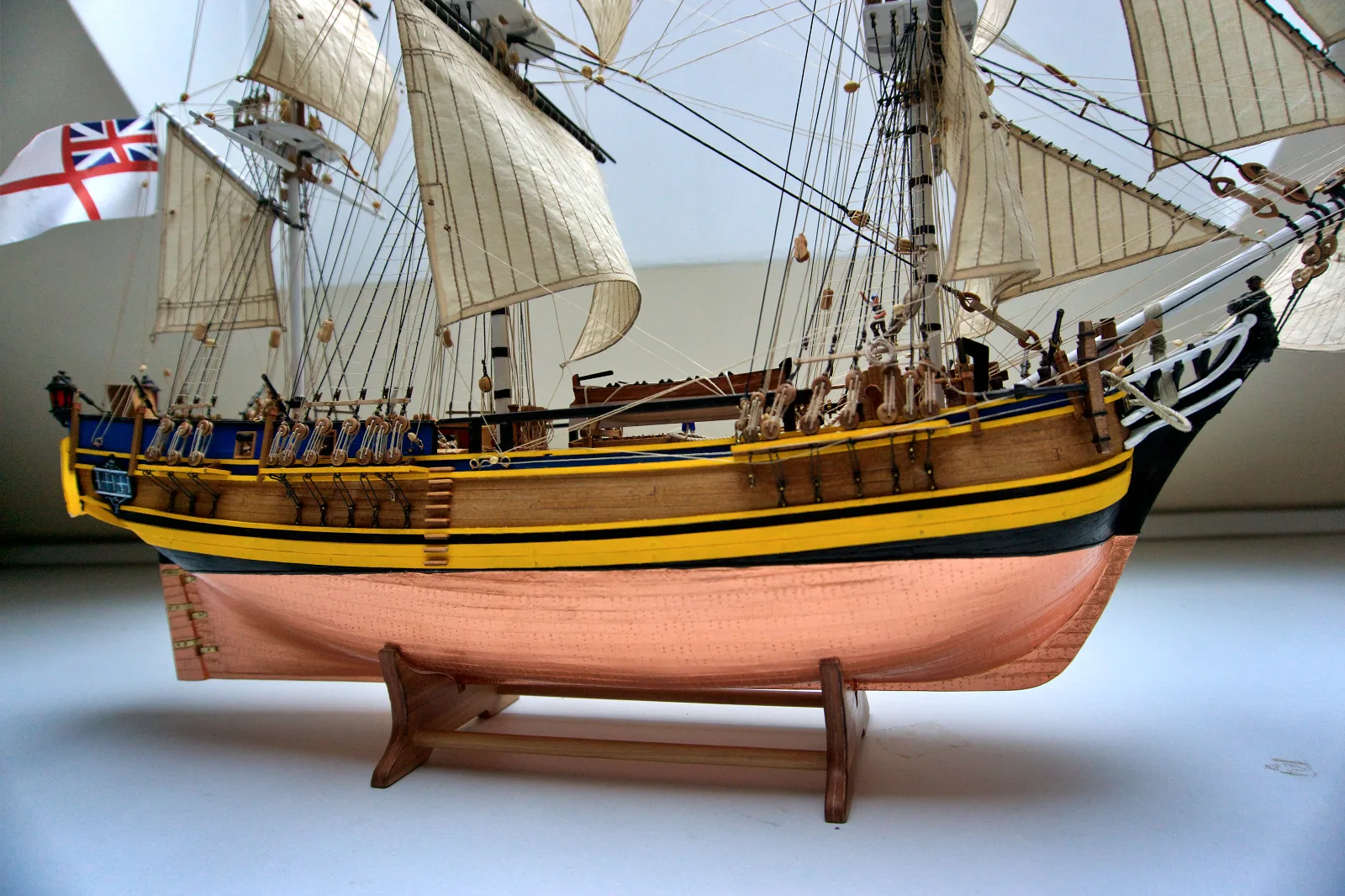
Wood Bending
Of course, if all you need is to give a strip a slight bend during planking, no special action is required. But a tighter radius, for example in the stem area, calls for a separate bending operation, especially for strips 1 mm thick and more.
So what bending methods are available in general? I use three:
- Mechanical. A special tool is used to make notches on the inner side of the curve, and the strip then takes the required shape easily. The limitations are these:
a) it works only with soft woods;
b) the strip should not be thicker than 1.5 mm;
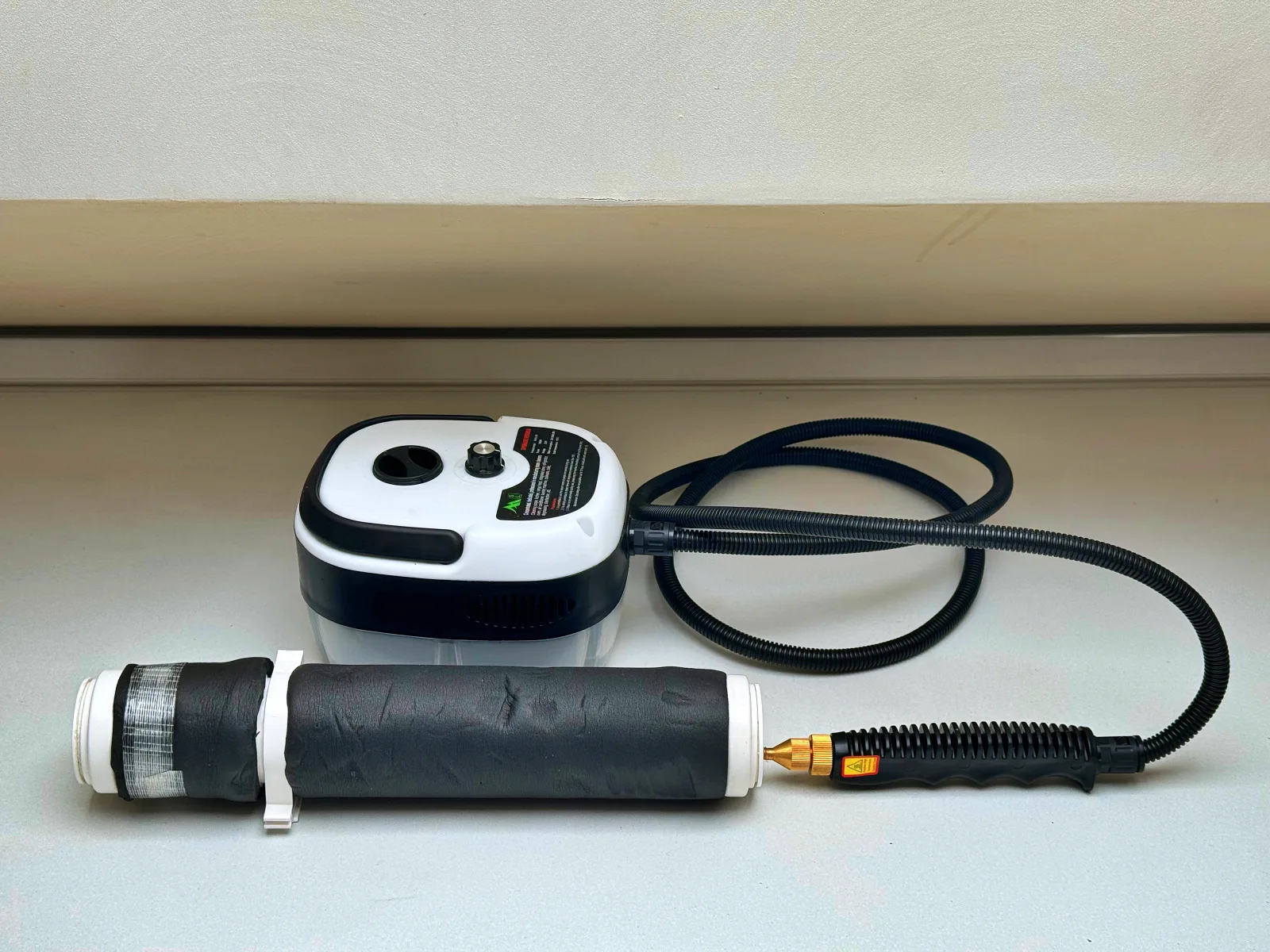
c) not everyone likes the inside face of the bend covered with notches. - Thermal. The strip is heated with hot steam, or simply soaked in water for several hours, then carefully bent to shape and dried while fixed in position. Two factors work together here: moisture makes the fibers more stretchable, while high temperature (90–100°C) brings the lignin into a plastic state. This method is more universal, but also more complicated. For thin strips 1–1.5 mm thick, I soak them in water for 4–5 hours, then bend them over a template while heating the bend area with a heat applicator fitted with a tip of the right diameter. For strips 2 mm and thicker, I use steam: a plastic tube is capped at both ends, and the nozzle of a household steam generator is inserted into one end cap . The blanks are placed into this steam chamber, held there at a rate of about 10 minutes per 1 mm of thickness, then bent and fixed in shape.
- Chemical. I use this very rarely because of the unpleasant smell of ammonia. It is needed when steam simply does not work, for example when a thick strip has to be bent across its wide face. The strip is soaked in ammonia for a day, then bent and fixed. I do not recommend this method if it can be avoided — it is better to find a more plastic strip, and such strips are sold in a wide range of sizes.
As an alternative, a curved part can be laminated from thin lamellas on a building slip or form. Once the glue has dried and the piece has been sanded, you get a strong part of the required radius.
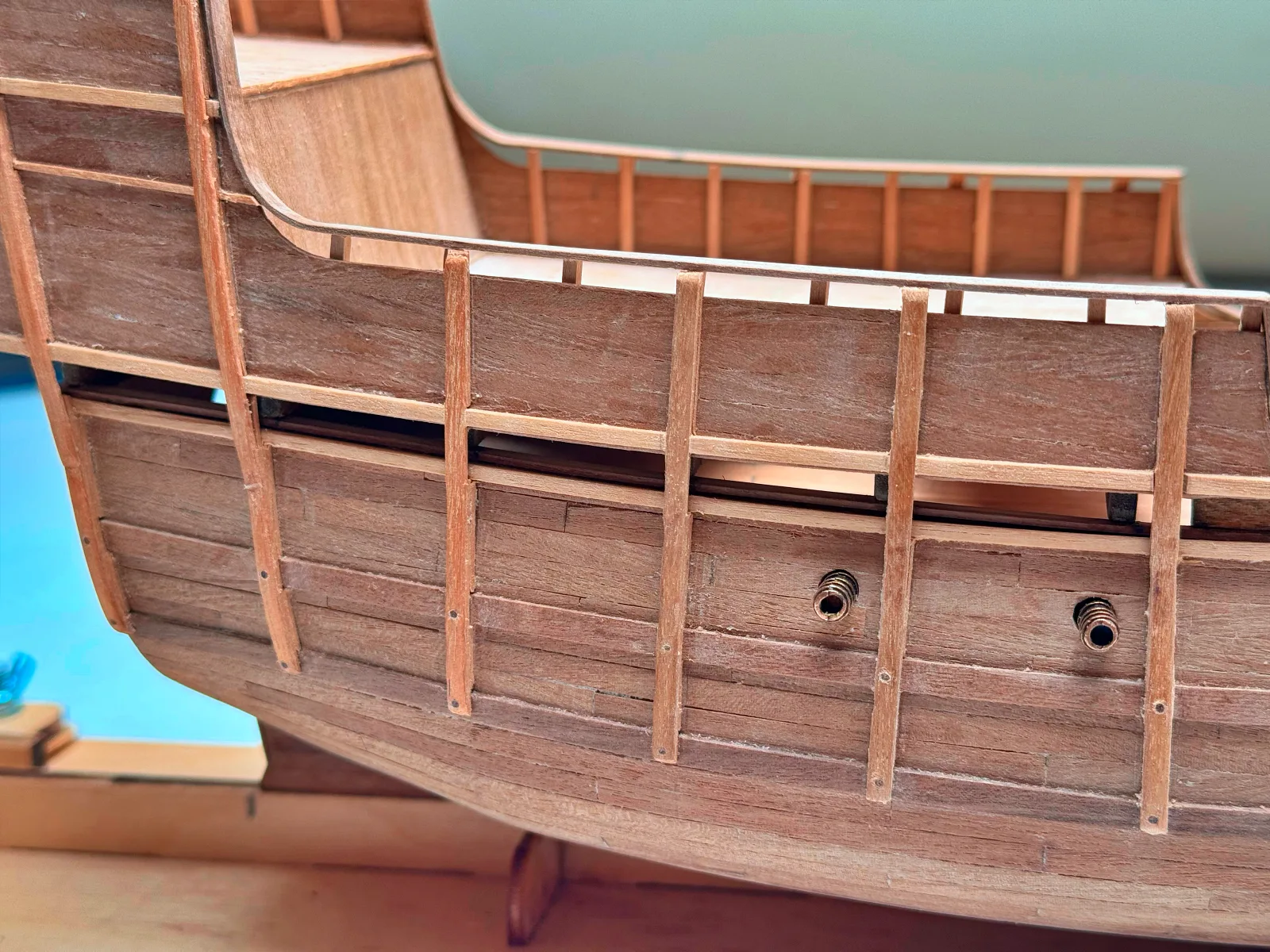
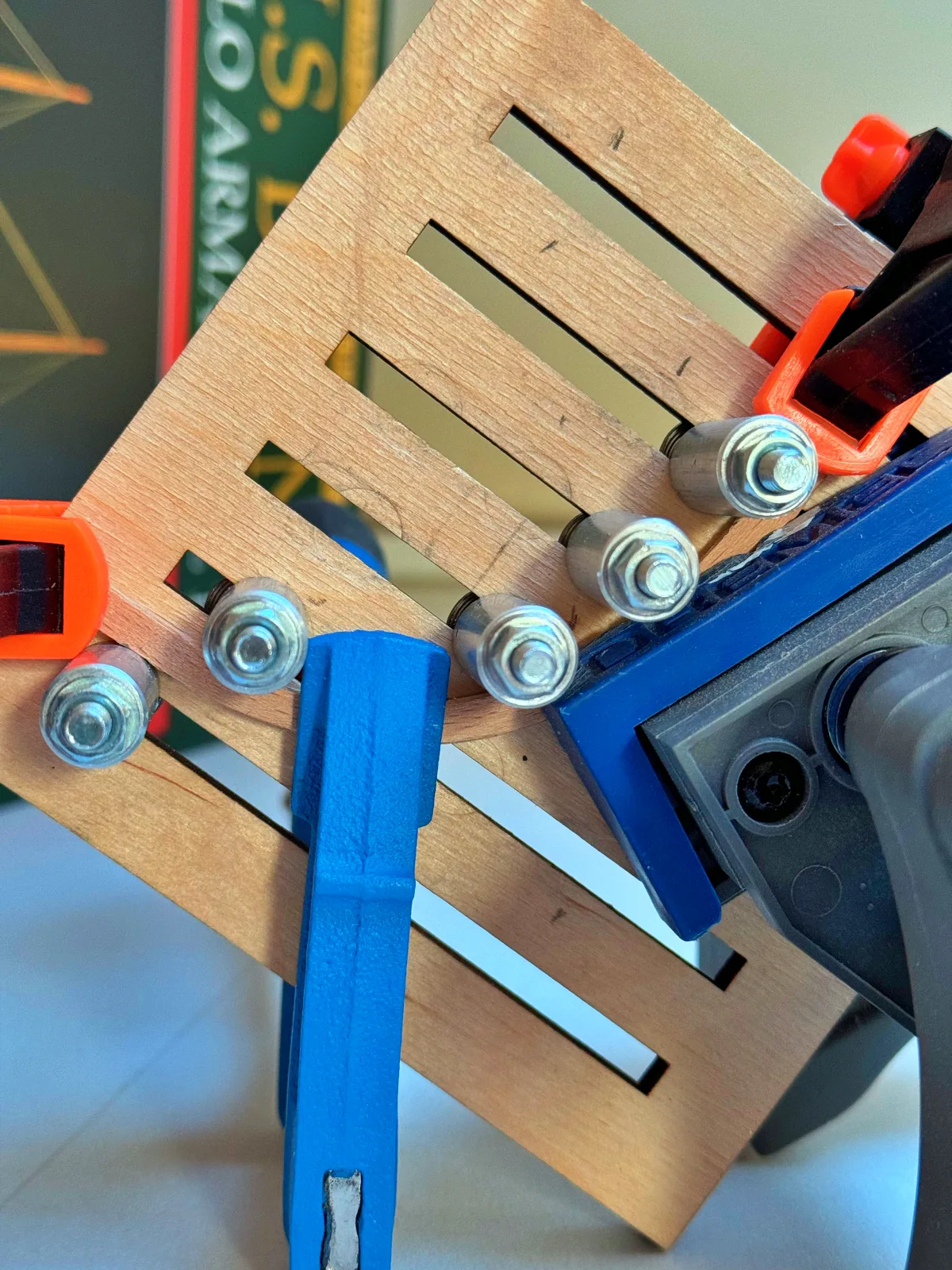
How should the part be fixed while drying? For large radii, three fixing points may be enough: both ends of the strip and an intermediate support roughly in the middle. You only need to make sure that the support is not too small in diameter, otherwise the radius will not come out smooth. For tighter curves, more points of fixation are needed.
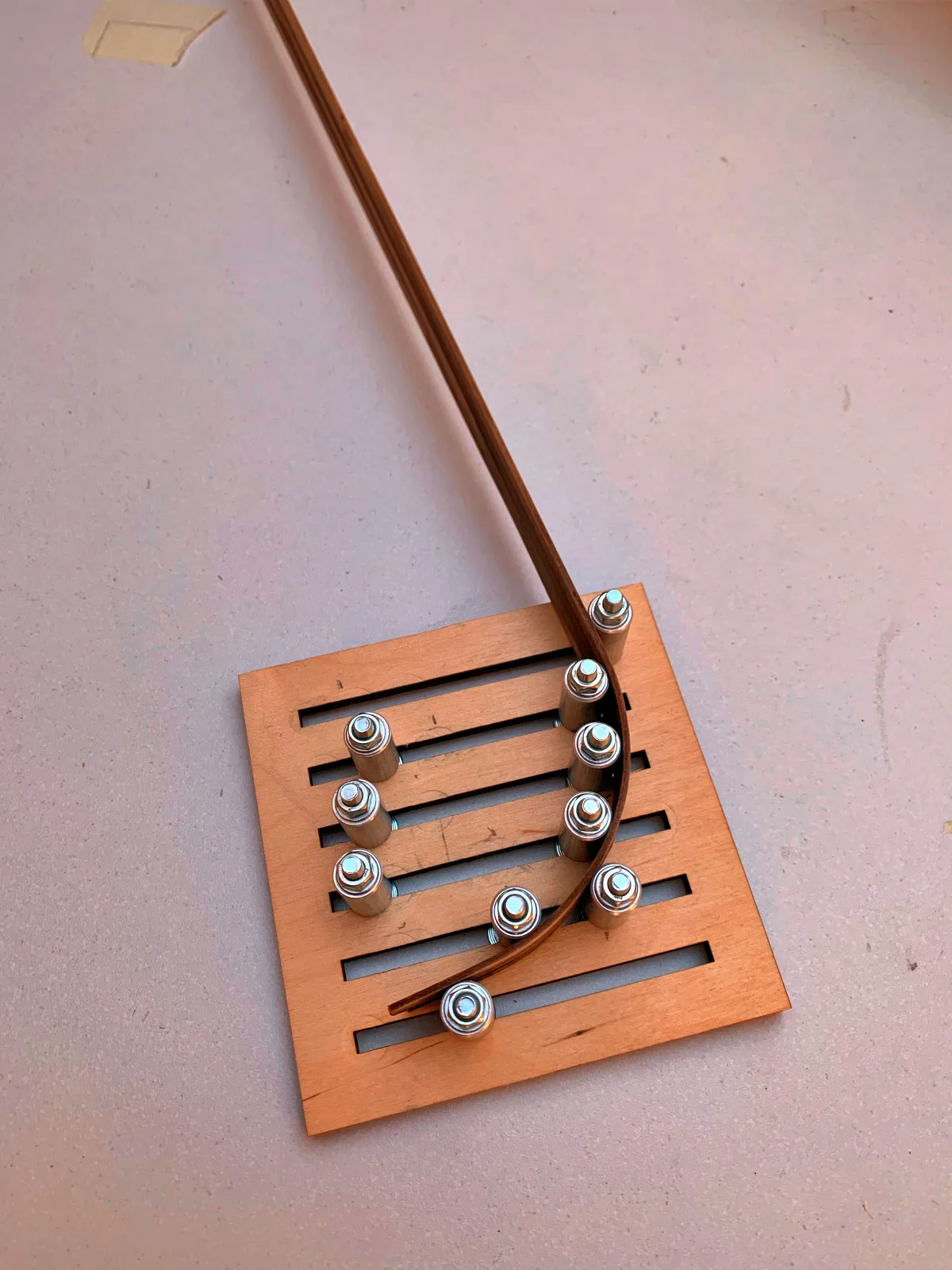
The ideal solution is a curved form that fully matches the intended bend (see the photo of the bent stem piece). You need to work carefully, but quickly, while the wood is still plastic.
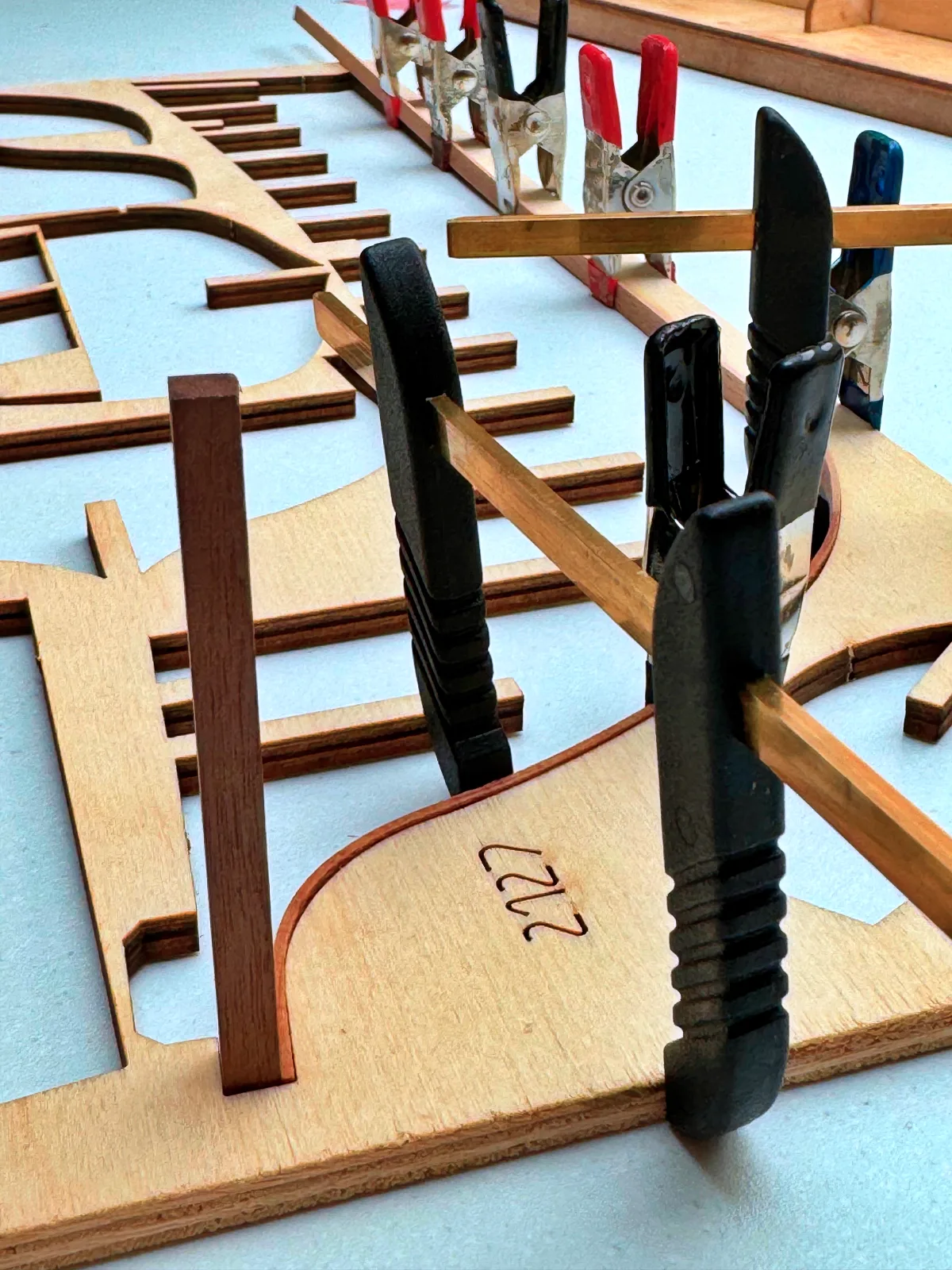
If you bend a strip across its wide face, fixing in both planes is essential, otherwise the piece will warp. To do this, either clamp it to a flat surface with a large number of clamps, or make a form with a height stop from the start.
Drying. Do not try to force the process with heat or a fan. Wood must dry naturally, away from direct sunlight, radiators, and other heat sources. A dry surface does not mean the piece is dry all the way through. Even for small parts, it is worth waiting at least a full day.